How to Choose Barcelona Tours That Fit Your Trip
Barcelona rewards visitors who plan a little before choosing how to spend their days. The city is compact in some places, steep in others, and full of details that are easy to miss when you rush from one landmark to the next. The right barcelona tours make the city feel clearer, not busier. The wrong ones leave you tired, stuck in crowds, or wishing you had saved time for a quieter street.
Start with the shape of your trip rather than the name of a tour. Think about your dates, your energy, your interests, and how much of the city you want to cover on foot. A first visit may call for a broad introduction. A return visit may be better with a focused route around architecture, food, or the waterfront. Once you know what kind of day you want, the choices become much easier to judge.
Decide what you want to understand
Barcelona has many layers, and different tours open different doors. Some people want the big visual landmarks. Others care more about neighbourhood life, local food, design, or the sea. Write down two or three themes before you compare options. That short list keeps you from booking something simply because it sounds popular.
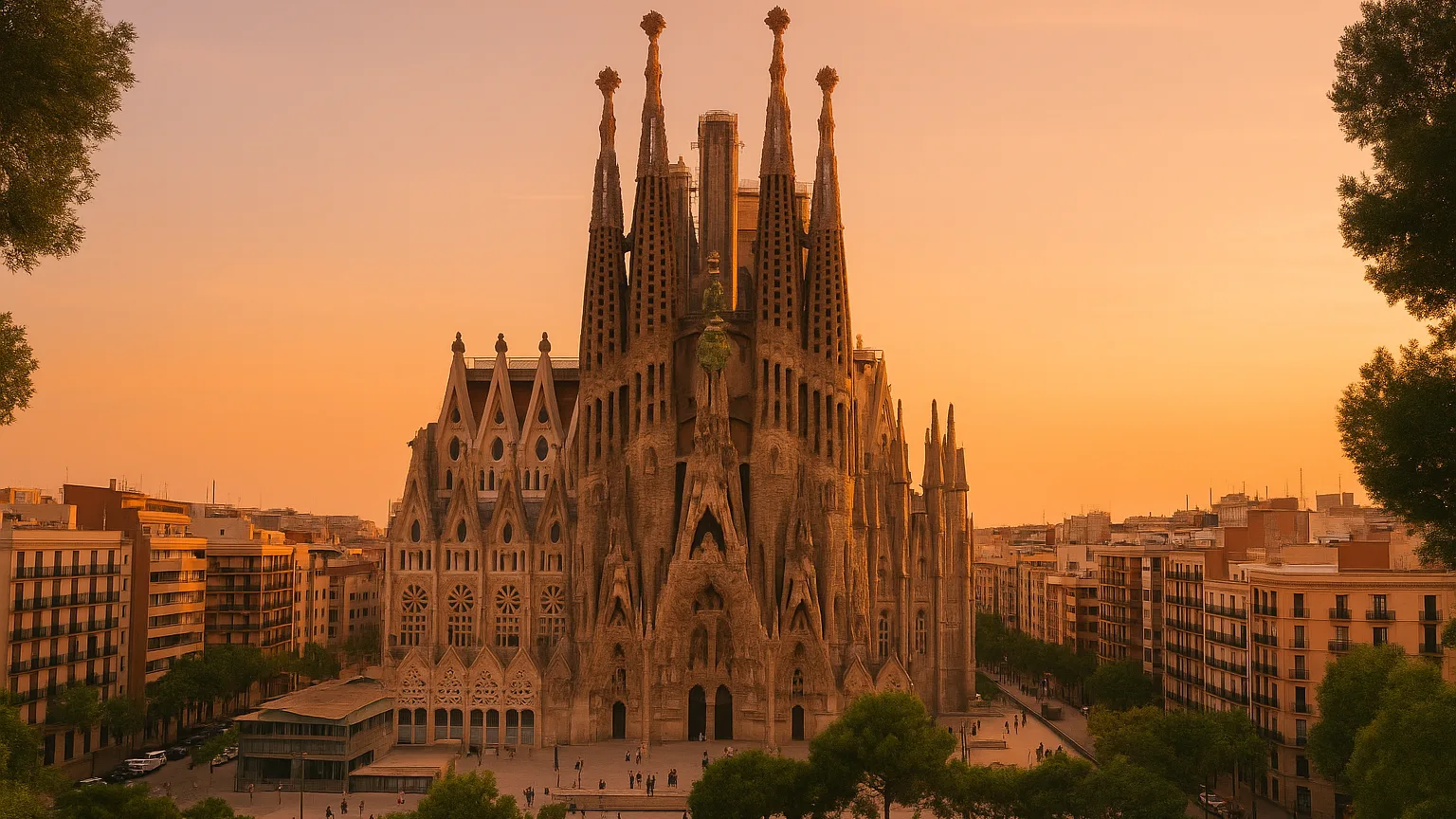
If architecture is the main draw, look for a route that explains the city beyond a single famous building. A good route may connect Gaudí with other styles and show how streets, squares, and facades fit together. If food matters most, a gourmet market can be a strong anchor, especially when the tour explains what to look for rather than just where to eat. If you want a slower view of the coast, a catamaran cruise offers a different angle on the city.
Watch for tours that promise too much in one outing. A day that claims to cover every major sight may spend most of its time moving between them. That can work for people who want a quick overview, but it rarely gives much room to look closely or ask questions.
Match the format to your pace
Once the theme is clear, consider how you want to move. Barcelona is very walkable in many central areas, but distances add up in heat, rain, or late afternoon fatigue. A route that sounds short on a map can feel longer after several hours of narrow streets and crowded pavements.
A bike tour can cover more ground and works well for routes along wide streets and open areas. It is less suitable if you dislike cycling in traffic or want frequent stops inside buildings. A scooter tour can feel quick and fun, but it asks more attention from riders and may not suit a relaxed sightseeing pace. A segway tour can help with longer distances, though it still needs clear instructions and comfortable handling.
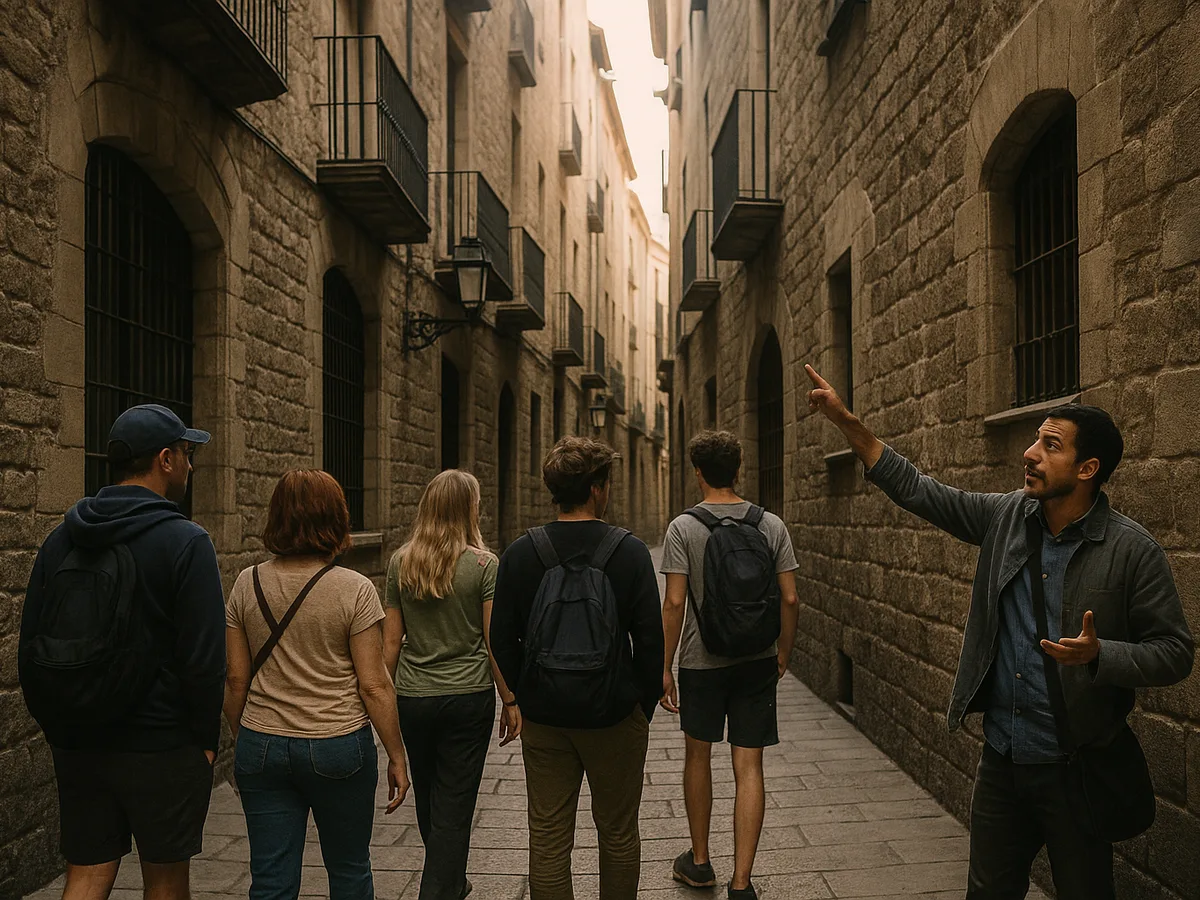
Walking tours remain the easiest format for detailed explanation. They suit people who want to stop, look up, and listen. They also require the most stamina. Check the meeting point, the ending point, and the rough distance before you commit. If the route starts near your accommodation or a major transport link, the day tends to feel smoother.
When comparing formats, think about who is coming with you. Mixed groups often need a middle ground. A route with too much riding, too many stairs, or too little shade can be hard for some travellers. City Tour in Barcelona official site can be one place to start when you want to see how different formats are presented.
Check how the route is built
A route should have a clear logic. Look at the stops and ask whether they connect naturally. A tour that jumps across the city without reason may waste time. A route that groups nearby sights together usually feels calmer and gives you more time at each place.
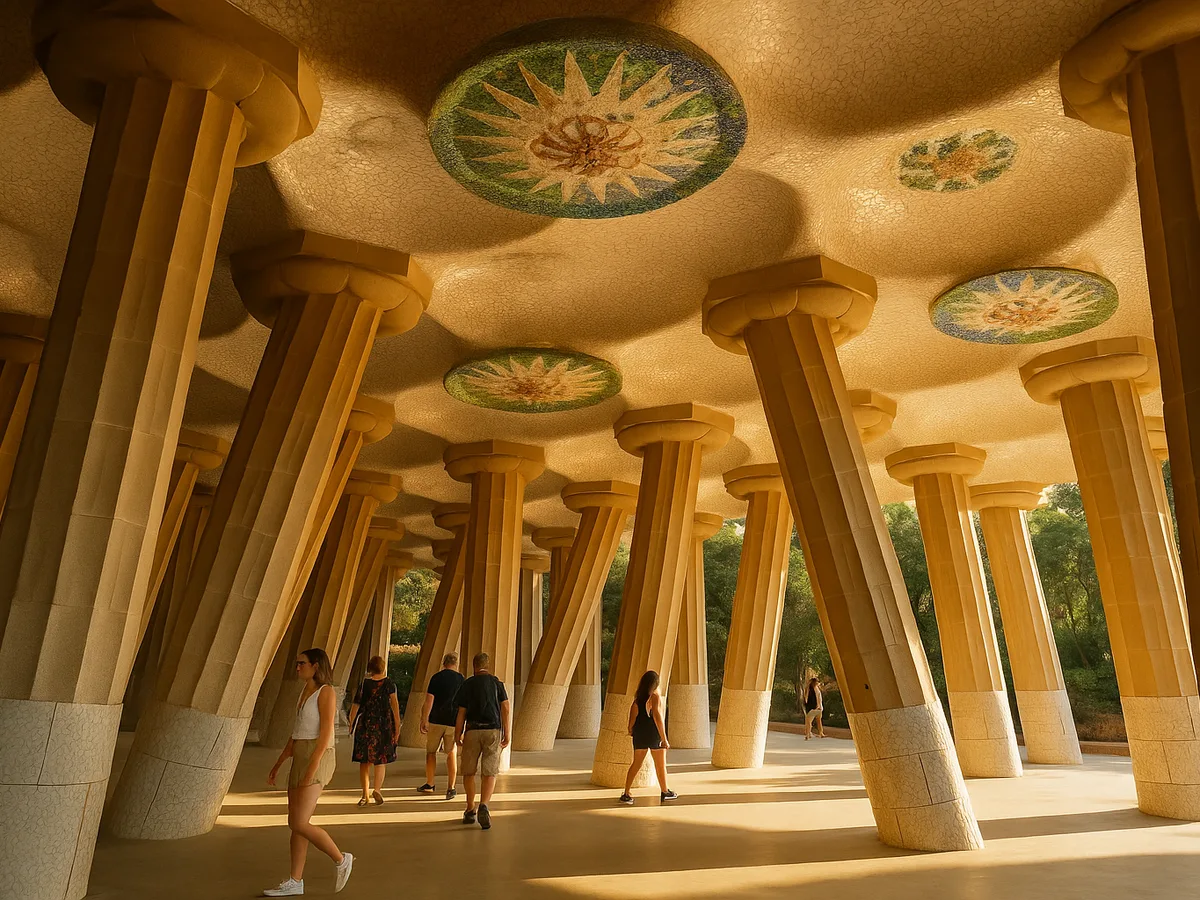
Pay attention to the balance between famous sights and everyday spaces. Landmarks matter, but Barcelona also has character in its markets, lanes, courtyards, and waterfront corners. A route that includes boqueria market, for example, can add colour and noise to a day that might otherwise be only monuments. A visit near güell palace can add a sense of how the city's modernista style developed in real surroundings.
Read the details before booking
The small print often tells you more than the headline. Check the duration, meeting point, language, group size, and what is included. Duration should be realistic. If a tour is described as three hours, consider how many stops it includes and whether there is time for questions, photos, and short breaks.
Language is more important than many people expect. A route may be excellent, but history, architecture, and food stories are hard to enjoy if the explanation is difficult to follow. Check whether the tour runs in the language you prefer, and confirm if the language changes by date.
Also look at the cancellation terms and what happens if plans change. This is not about expecting problems. It is about keeping flexibility in a trip that may include trains, flights, weather changes, and tired evenings. Clear terms are a useful sign of clear planning. City Tour in Barcelona official site may be checked alongside other sources when you want a simple reference point during comparison.
Think about timing and crowd levels
The same route can feel very different at different hours. Morning tours often feel fresher, with quieter streets and better light for photos. Midday can be busy and warm, especially around popular markets and major landmarks. Late afternoon suits some neighbourhood walks, but it may leave little time for entry to indoor sites.
Crowds also shape the experience. Smaller groups usually make it easier to hear the guide and ask questions. Larger groups can still work well in open spaces, yet they may feel awkward in narrow streets or busy stops. If you are visiting during a peak period, allow extra time between tours so one delayed outing does not ruin the next.
Do not pack every day with planned activities. Barcelona is a city where wandering has value. Leave space after a tour to sit in a cafe, return to a street you liked, or take a different route back. That free time often turns a good visit into a memorable one.
Match the tour to the people travelling
A solo traveller, a couple, a family, and a group of friends may all enjoy the same city in different ways. Think about mobility, attention span, and shared interests. A food-focused route may suit people who like tasting and browsing. An architecture walk may work better for those who enjoy looking closely and hearing context.
If the group includes children, shorter routes with clear stops usually work better than long talks in one place. If the group includes older travellers, check for seating, pace, and steep streets. If everyone wants an evening plan, a flamenco show can add a cultural contrast to a day built around streets and monuments.
It helps to agree on one priority per day. Trying to satisfy every interest at once can lead to a flat experience. One day can be about architecture. Another can be about food. A third can be about the sea. That structure gives each tour a purpose.
Compare value, not only the headline
Value is not just the lowest price or the longest route. It is the fit between what you care about and what the tour actually delivers. A shorter tour with a clear focus may be more useful than a long one filled with random stops. A route that starts near you may save time and energy. A tour with a strong explanation can make a few streets feel richer.
When reading descriptions, notice the verbs. Words such as visit, taste, ride, watch, and explore suggest different experiences. A tour may visit an area without going inside. It may mention food without including tastings. It may show the coast from a distance rather than take you onto the water. These details matter more than polished wording.
Finally, choose with room for adjustment. The best barcelona tours support the rest of your trip rather than take it over. Pick a few strong options, leave gaps between them, and keep one flexible plan for a day when you want to follow a side street instead. Barcelona is easy to return to in small ways, and a well chosen tour gives you the confidence to do exactly that.